


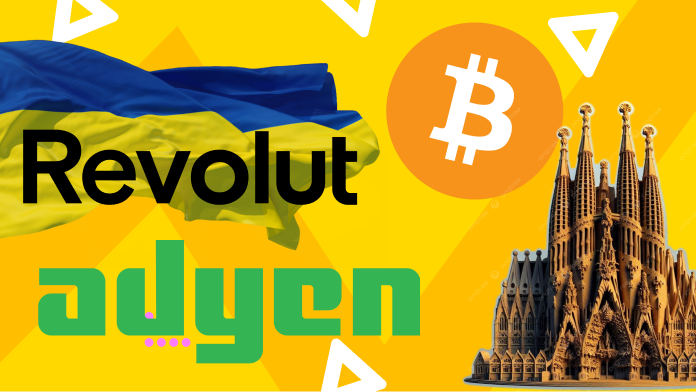




Fintech news digest for early 2025
While a large part of our population was relaxing and celebrating Christmas and New Year's holidays, the fintech industry never stopped and continued to evolve. Here are some notable developments you might have missed in this January — let's dive into them with today's digest.
Thailand introduces crypto payments on Phuket
Confidently speaking, one of the most popular tourist destinations in Asia, Thailand, has decided to take a step towards embracing tourists by adding cryptocurrency payment options on the island of Phuket. The city is one of the top destinations in Thailand and has seen a significant influx of relocated individuals from the CIS region as well over the past few years.
This likely influenced Thailand's active interest in crypto and accelerated its adoption. Currently, Bitcoin payments are available, but it is expected that other cryptocurrencies will soon be accepted as payment methods.
To use crypto payments, users need to register on a local exchange, verify their account, and undergo AML checks to ensure the legitimacy and "clean status" of the cryptocurrency.
Revolut enters Ukraine
One of the world's largest fintech companies is expanding into a new market. Revolut has launched in Ukraine. The launch in this country was planned much earlier, but the current situation likely influenced the delay or slowdown.
The app is currently in the beta testing phase, and not all features are available yet. However, full registration for early adopters has been possible since January 6. It is noted that the Ukrainian waitlist was one of the largest in Revolut's history of opening new markets, indicating high potential and real interest of the audience in such a service. Local competitors like the technologically advanced Mono Bank might start feeling the pressure, as the fintech giant is serious about its intentions.
Moreover, Revolut has Ukrainian roots, as it was founded by two businessmen: Ukrainian Vlad Yatsenko and Russian Nikolay Storonsky in 2025. Nikolay is currently a British citizen.
There has been no official announcement about the launch in the Ukrainian market yet, but it is expected soon.
BIG Bank in Portugal blocks transfers to crypto exchanges
Portugal surprised crypto world at the beginning of 2025. Known for its loyalty to the crypto business and thus attracting many investors of this industry, Portugal shaked us with the news. One of the main banks in the country, Banco de Investimentos Globais (BIG), announced new restrictions. The bank has banned payments to crypto exchanges and trading platforms from BIG accounts. Any transfers for this purpose will be declined, and funds will be returned to the client's account.
Other banks in the country have not yet implemented similar restrictions, but users are concerned about whether stricter crypto regulations are on the horizon. Could this be the beginning of the end for crypto freedom in Portugal?
We suspect that these events are related to the new European MiCA regulations, and banks, fearing violations of the new and not yet clear rules, are taking preemptive measures. However, it is also possible that Portugal has independently decided to impose stricter conditions on crypto to safeguard its financial system.
Adyen launches new AI tool
The Dutch payment system Adyen is launching an optimization AI tool called "Adyen Uplift," aimed at helping merchants achieve maximum performance across all payment directions. Increasing payment approval rates is the top priority for any business, as quality payment acceptance is reflected in its reliability and high success rates from the first payment attempt. However, in the pursuit of high payment approval, businesses often overlook fraud risks and increase processing costs.
Thus, operational payment work revolves around three pillars:
- Increasing payment approval ratio;
- Reducing fraud and fraudulent activities;
- Lowering and optimizing processing costs.
Adyen understands this very well and has developed an algorithm that, in real-time, helps to monitor and implement improvements across all three areas. This sounds very promising, and merchants using Adyen will soon see how it works in practice.
That's your news digest from Monoup. Stay tuned for more fintech and payment updates by subscribing to our Telegram channel and following our expert articles at Mono Talks. Stay connected!


