






Monoup news digest: main updates from fintech industry
Wrapping up this week with news digest from Monoup. Europeans are seriously considering alternatives to Visa/Mastercard and have formed a working group to simplify banking regulations in the EU. How and why financial rules will change is detailed below.
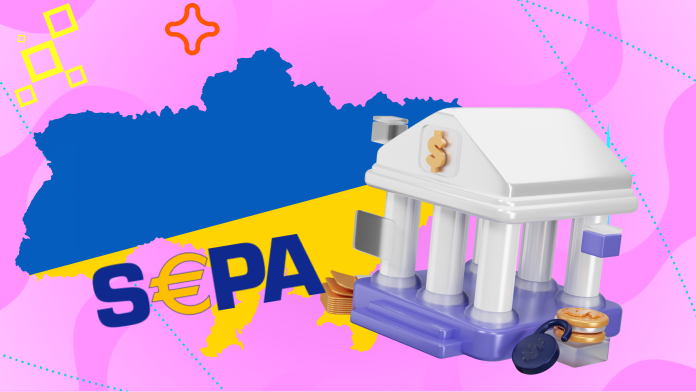
Meanwhile, Ukraine is actively preparing to modernize its own financial laws to align with European standards and join the SEPA zone.
Let's explore what happened this week in fintech and iGaming, and what you need to know.
Ukraine prepares to join SEPA
The country has initiated a process to change its financial and banking regulations to align with those in the EU. This will help Ukraine apply to join SEPA and become part of the unified payment zone across Europe. Although Ukraine is not part of the European Union, it can still join SEPA and conduct transactions in euros seamlessly.
Before submitting the application, several reforms must be implemented, including changes to how citizens' bank accounts are managed, disclosure of information about companies and trusts beneficiaries, and creation of a financial monitoring mechanism for quick risk management and compliance with AML requirements.
The first step that Ukraine will take will be creation of a unified registry of bank accounts and personal data of individuals, which will be controlled by the tax authorities. The registry will contain information about all citizens and their accounts in banks, payment systems, or even e-wallets. It will store account numbers (in IBAN format), opening date, and full name of the owner.
Government confirms that registry will not contain any information about account balances and transactions, but it will have data about all active accounts and their owners. This information may also be accessible to "competent authorities," which have not been specified in open sources. The timeline for implementing these changes is not yet clear, but work is already underway.
EU simplifies banking regulations
On the other hand, the EU is changing their own rules as well. The central banks of Italy, France, Germany, and Spain are joining forces to modernize banking norms. EU has decided to ease financial regulations, as they hinder the development of the financial sector and prevent new payment systems from thriving.
This decision was partly driven by difficulties in cooperating with Visa and Mastercard, as well as growing popularity of PayPal and Alipay in the European market. European companies are now in a challenging position due to their strict regulations, allowing foreign competitors to develop successfully while local fintech companies lag. European Central Bank is taking steps to improve processes and create local alternatives to American services to regain control of the local market.
We will soon learn about the possible changes and keep you updated. Analyzing the situation, it's important to note that while strict rules help maintain control and security in the financial sector, for which the EU is renowned worldwide, they also complicate the operations of licensed companies without fully addressing fraud issues. Therefore, alternative approaches and compromise that allow for development while not forgetting about AML are necessary.
DECTA creates payment accelerator
DECTA payment system is contributing to the development of fintech by preparing an acceleration program for payment startups.
DECTA Fintech Fast Track will help newcomers in payment business to enter the market and immediately provide quality services backed by DECTA platform. The payment system plans to offer its technology, consulting, market connections, and support for new PSPs. According to the official announcement, such companies will pay a monthly fee for the services provided at a discounted rate, having even more benefits of participation.
The program is open to companies that have already obtained an EMI, PI license, or equivalent in Europe. It can also be in the UK, APAC, MENA, or LATAM. Applicants must apply for membership in Visa or Mastercard and be ready to participate in Visa or Mastercard Fast Track.
Startups that do not yet have specific products or clients but have a business plan, clear direction, and market offering can participate. Thus, DECTA will be most useful for startups that have already completed lengthy regulatory processes and are ready to enter the market and scale fast. Two companies will be selected each quarter to join the program.
These are the updates Monoup has gathered for you this week. Find more interesting materials in other sections of Mono Talks, and also in our Telegram channel every day.


