


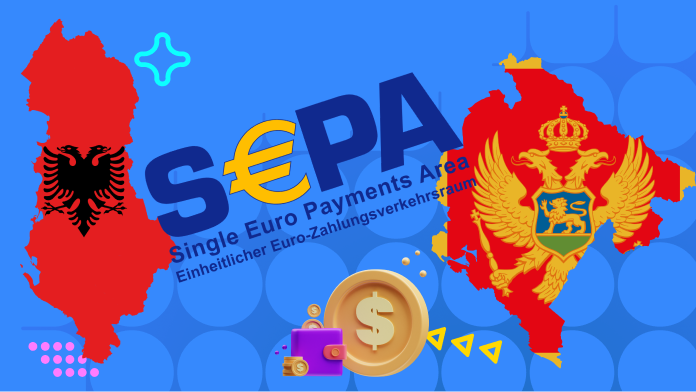




Direct access to euro payments. What will change for Montenegro and Albania?
European Payments Council (EPC) has announced acceptance of two new countries to the SEPA scheme. This is the first in history event, although several countries have been candidates for a long period. Eurozone clarifies that plan for the Western Balkan countries to join SEPA has been in place for a long time, but the issue of compliance with banking infrastructure requirements and ability of candidate countries to support the technology remained as well.
Thanks to joining SEPA, Albania and Montenegro will be able to send and receive payments in euros cheaper than before (naturally, by switching from SWIFT) both between each other and with Eurozone countries. Officially, this has been possible since November 21, 2024. Today, SEPA includes nearly 4,000 participants, among which are banks, payment systems, electronic money institutions, electronic wallets, and other fintech companies.
Why is SEPA payment system important?
SEPA — Single Euro Payments Area — is a union of financial institutions under a single standard for conducting transactions in euros within the European Union quickly and efficiently. Thanks to SEPA, payments are processed using the EU's internal resources and managed with minimal expenses and in the shortest possible time. Through the connections of financial institutions, they can "move" money faster and avoid the complexity and cost of SWIFT system. In turn, SEPA requires a certain level of security and compliance with requirements from its participants, so they can join common payment network.
For developing countries, this is an opportunity to do business with Europe simpler and cost effective. For fintech, it is a chance to launch EMI and payment systems that can fully compete with European ones and, due to low operating costs, can even become flagship for newcomers to the industry. Fintech businessmen have always looked for opportunities to launch projects and test the market in the easiest way. The most successful EMI license today is Lithuanian one, but Montenegro and Albania can now set good competition to Lithuania by creating favorable conditions for development of financial sector. With access to SEPA, an EMI licensed, for example, in Montenegro, will be able to provide the same services as its counterparts in EU countries.
Stay with us keep up with fintech and payments, and to receive short news updates regularly — subscribe to our Telegram channel.


